The doctoral dissertation, "Phylogeny and diversity of deep-sea crustaceans of the family Typhlotanaidae Sieg, 1984 (Tanaidacea: Crustacea)" concerned one of the least understood environments on Earth: the ocean depths. Although for years they were considered virtually devoid of life, we now know that they harbour enormous, yet insufficiently described, biodiversity.
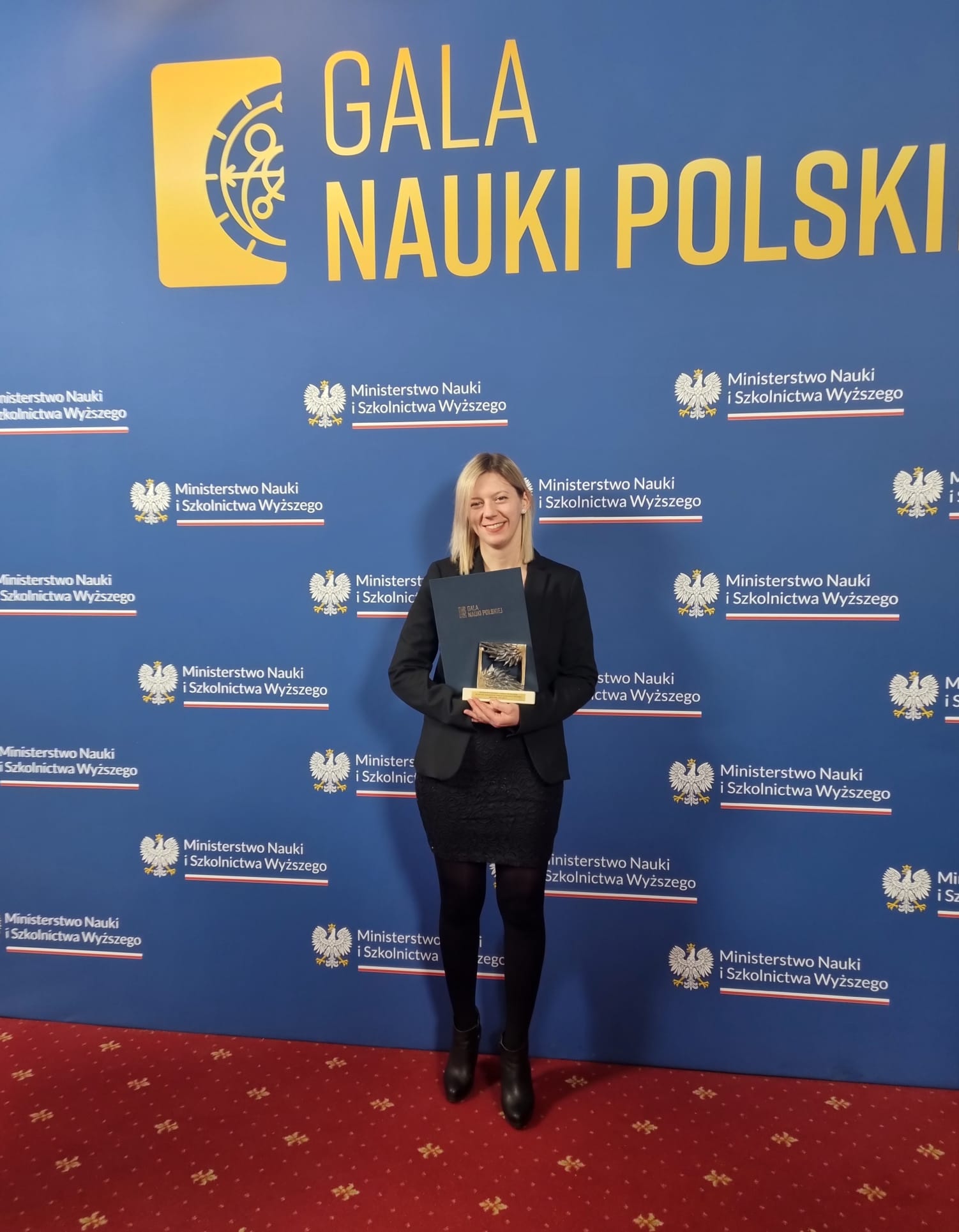
The researcher's study focused on deep-sea crustaceans of the Typhlotanaidae family, an important component of ocean floor fauna. The work is based on data from over 11,000 individuals from museum collections and international scientific expeditions. I have proposed significant changes to the taxonomy of this family, reorganising its evolutionary relationships based on morphological and molecular analyses.
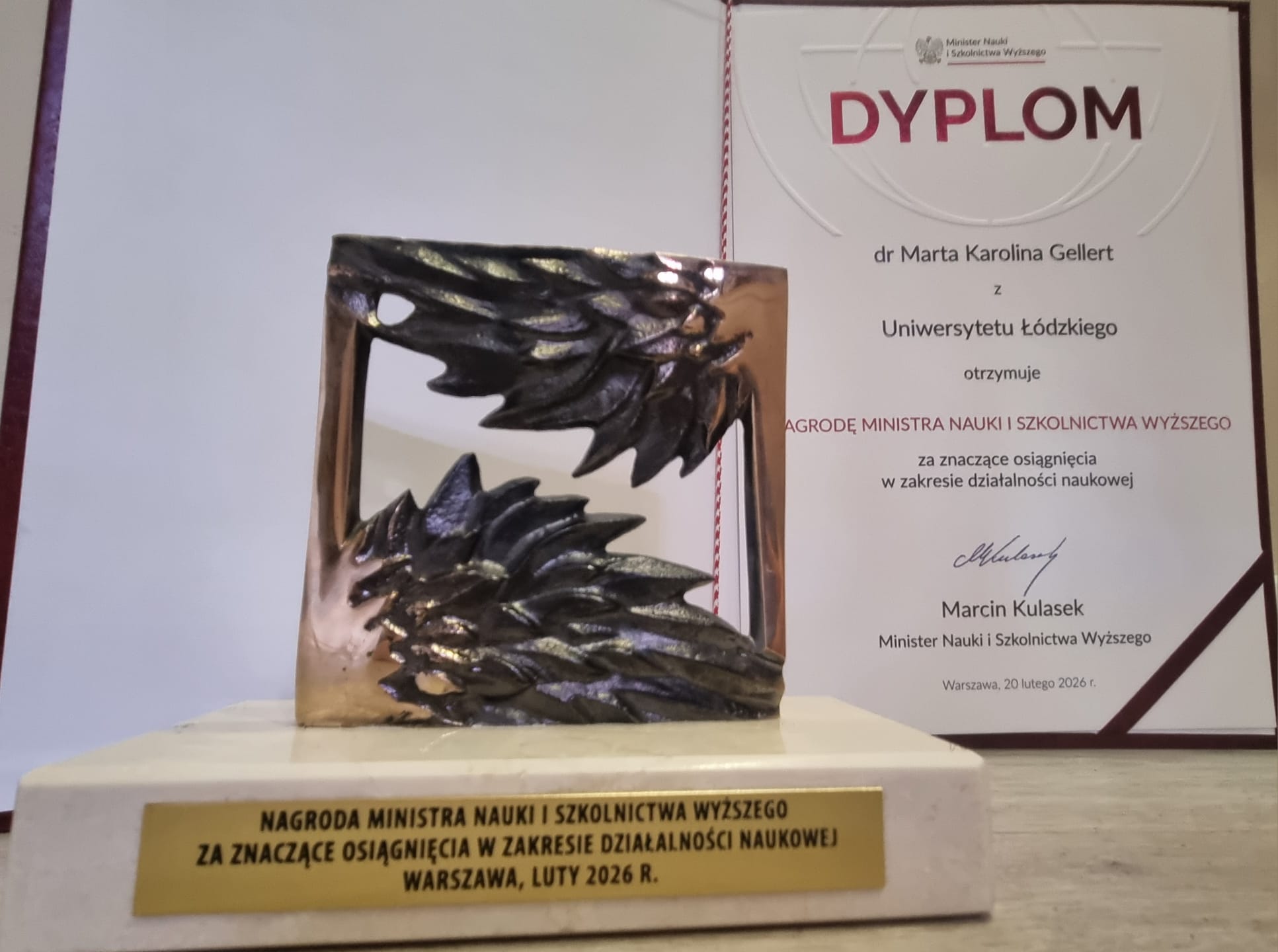
During the course of writing her doctoral dissertation, the scientist described 26 new species, 15 new genera, three new subfamilies, three new families and redefined one subfamily. As a result of the presented research, the number of Paratanaoidea has increased by 3%, and the number of deep-sea Tanaidacea families has increased by 16%.
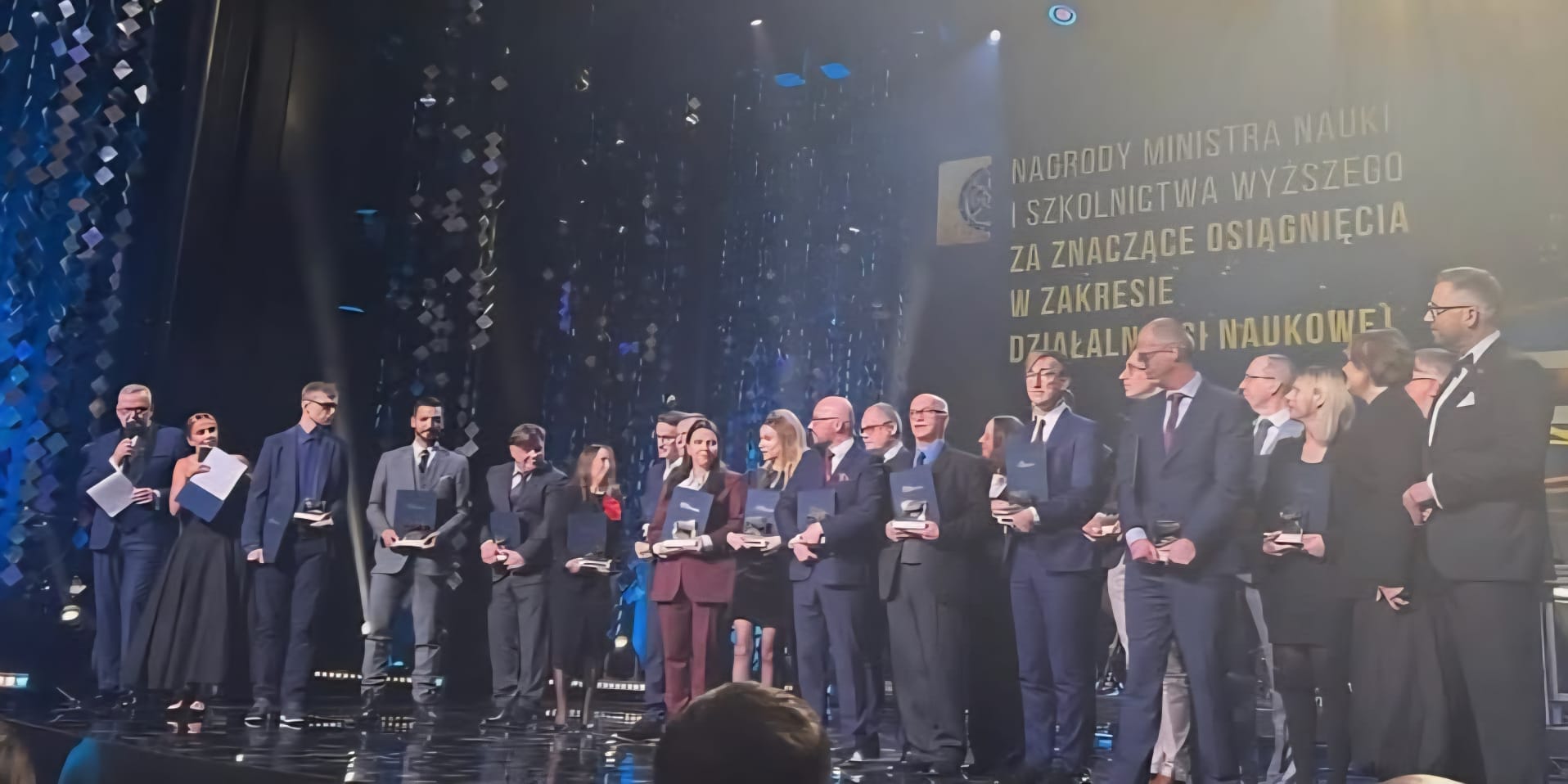
The study also showed that the distribution of these organisms is closely related to seabed topography and environmental factors such as temperature. The results are important not only for understanding the evolution of deep-sea crustaceans but also for better understanding the functioning and vulnerability of deep-sea ecosystems in the face of climate change and planned exploitation of ocean floor resources, including deep-sea mining.
The work significantly expands our knowledge of the diversity and evolution of life in the depths of the seas and oceans.
MORE INFORMATION (PL)
Source and photos: Dr Marta Gellert, Department of Invertebrate Zoology and Hydrobiology, Faculty of Biology and Environmental Protection, University of Lodz
Edit: Mateusz Kowalski, Promotion Centre, Faculty of Biology and Environmental Protection, University of Lodz