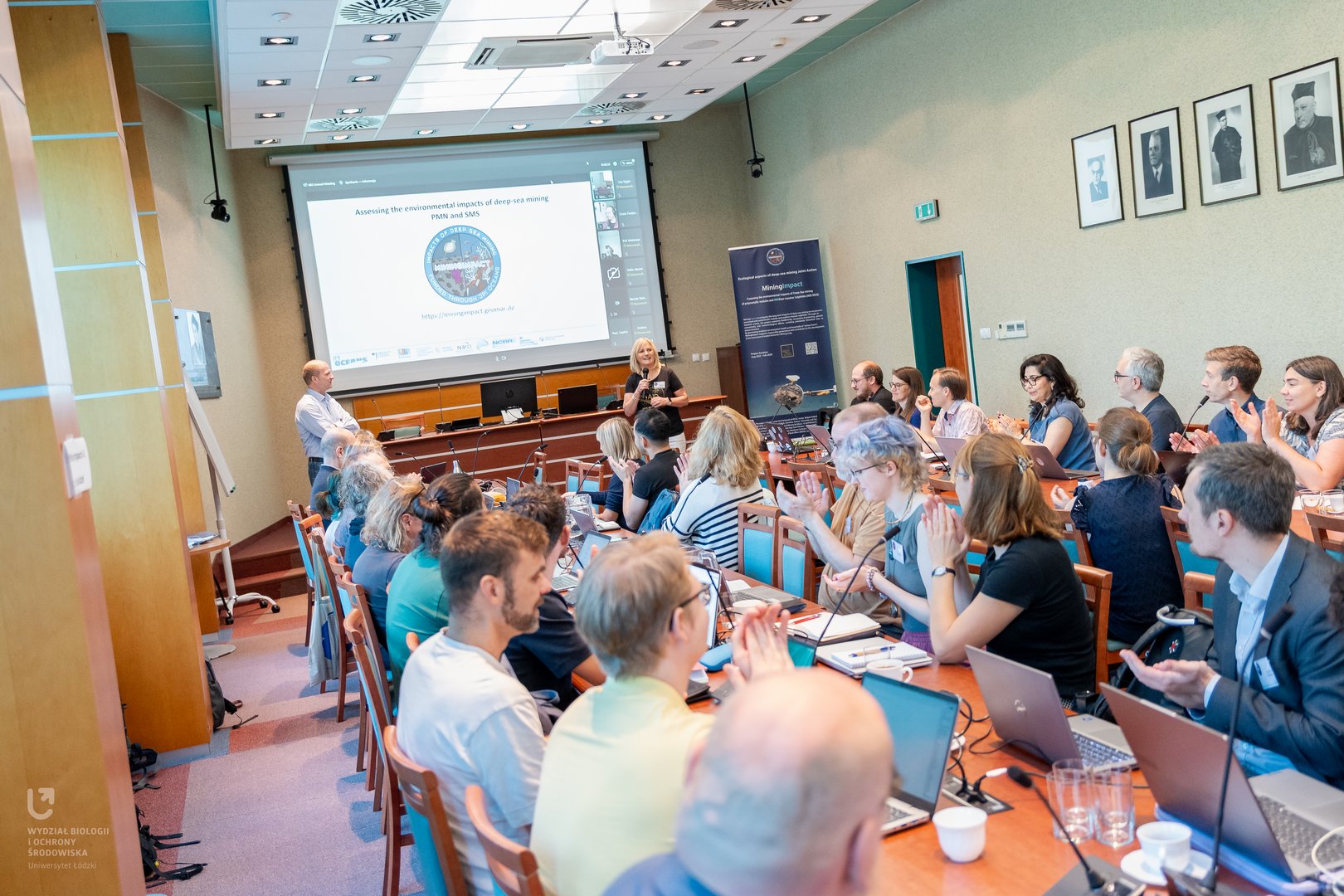
More Than 60 Experts from Around the World Meet in Łódź for the MiningImpact Project
From 8 to 10 September 2026, the University of Lodz hosted the annual meeting of the international MiningImpact consortium, a project investigating the environmental consequences of potential mineral resource extraction from the Pacific and Atlantic ocean floors. More than 63 scientists and stakeholders representing 27 institutions from 15 countries participated in the hybrid meeting.
Research on the Impact of Deep-Sea Mining on Ocean Ecosystems
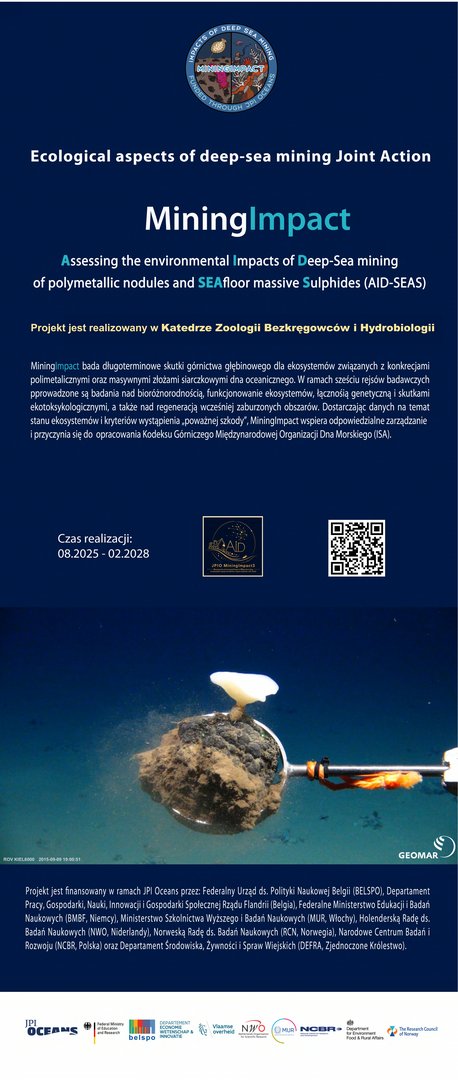
MiningImpact3 is the third phase of a long-term research programme on the effects of deep-sea mining, carried out under the framework of JPI Oceans (Joint Programming Initiative Healthy and Productive Seas and Oceans). JPI Oceans is an international platform bringing together countries and research funding organisations with the aim of coordinating joint research and providing knowledge necessary for the responsible management of seas and oceans. MiningImpact3 focuses on two potential sources of deep-sea mineral resources: polymetallic nodules and seafloor massive sulphides. The project investigates both the functioning of the ecosystems associated with these resources and their vulnerability to disturbance.
The Polish Team in an International Project
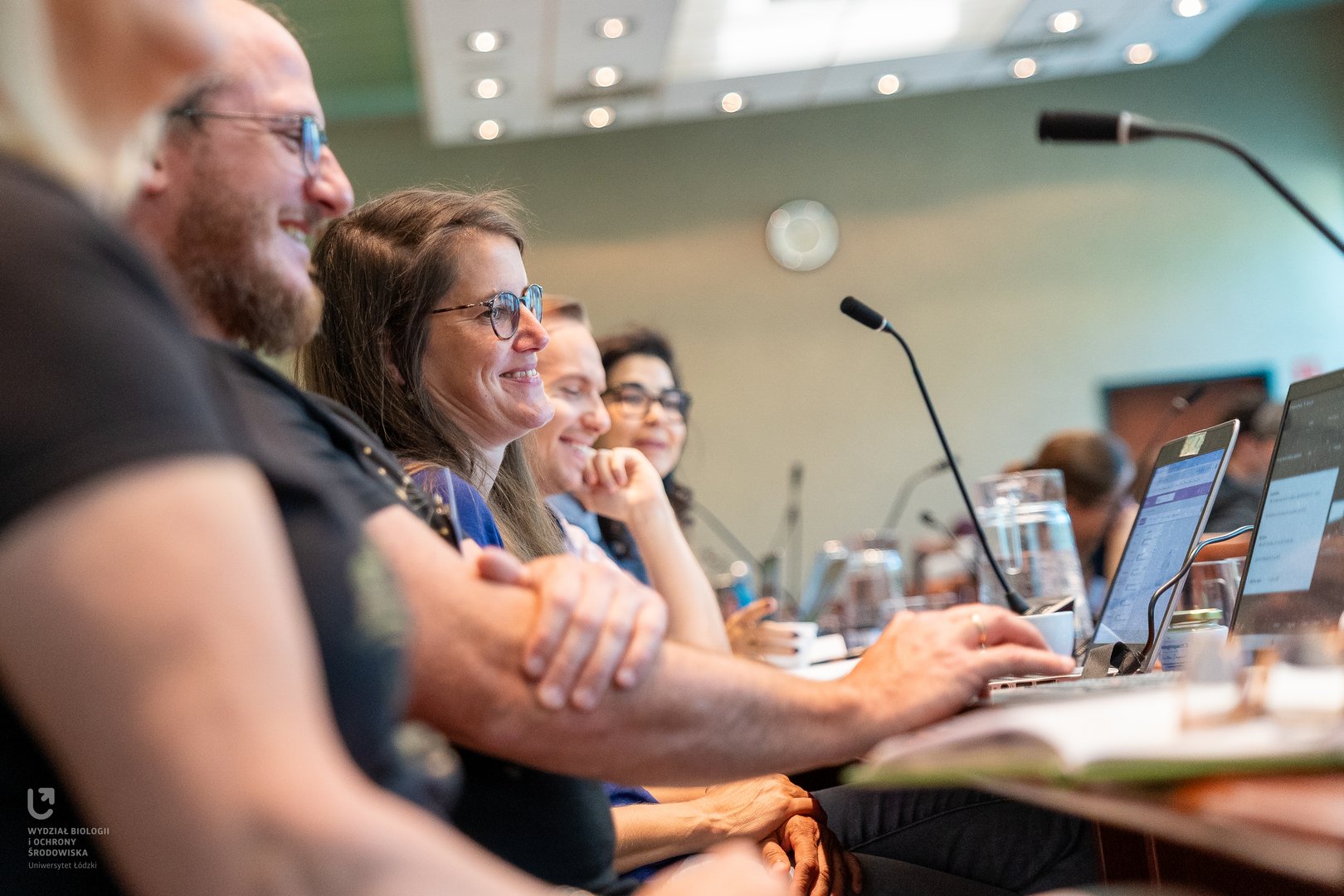
The Faculty of Biology and Environmental Protection, University of Lodz, leads the Polish consortium participating in the project, which is funded by the National Centre for Research and Development (NCBR). The consortium also includes the Institute of Oceanology of the Polish Academy of Sciences and Nicolaus Copernicus University in Toruń. The Polish consortium is headed by Prof. dr hab. Magdalena Błażewicz from the Department of Invertebrate Zoology and Hydrobiology, University of Lodz. The team contributes, among other activities, to research on biodiversity and the structure of deep-sea biological communities, as well as assessments of their responses to disturbances associated with the potential extraction of mineral resources from the ocean floor.
How Do the Deep Seas Respond to Human Disturbance? New Data from the Pacific
The meeting in Łódź provided an opportunity above all to review the first year of joint research and integrate results generated by different teams and disciplines. Participants discussed the first data from this year’s MANGAN2026 expedition in the Pacific and compared them with findings from earlier research campaigns.
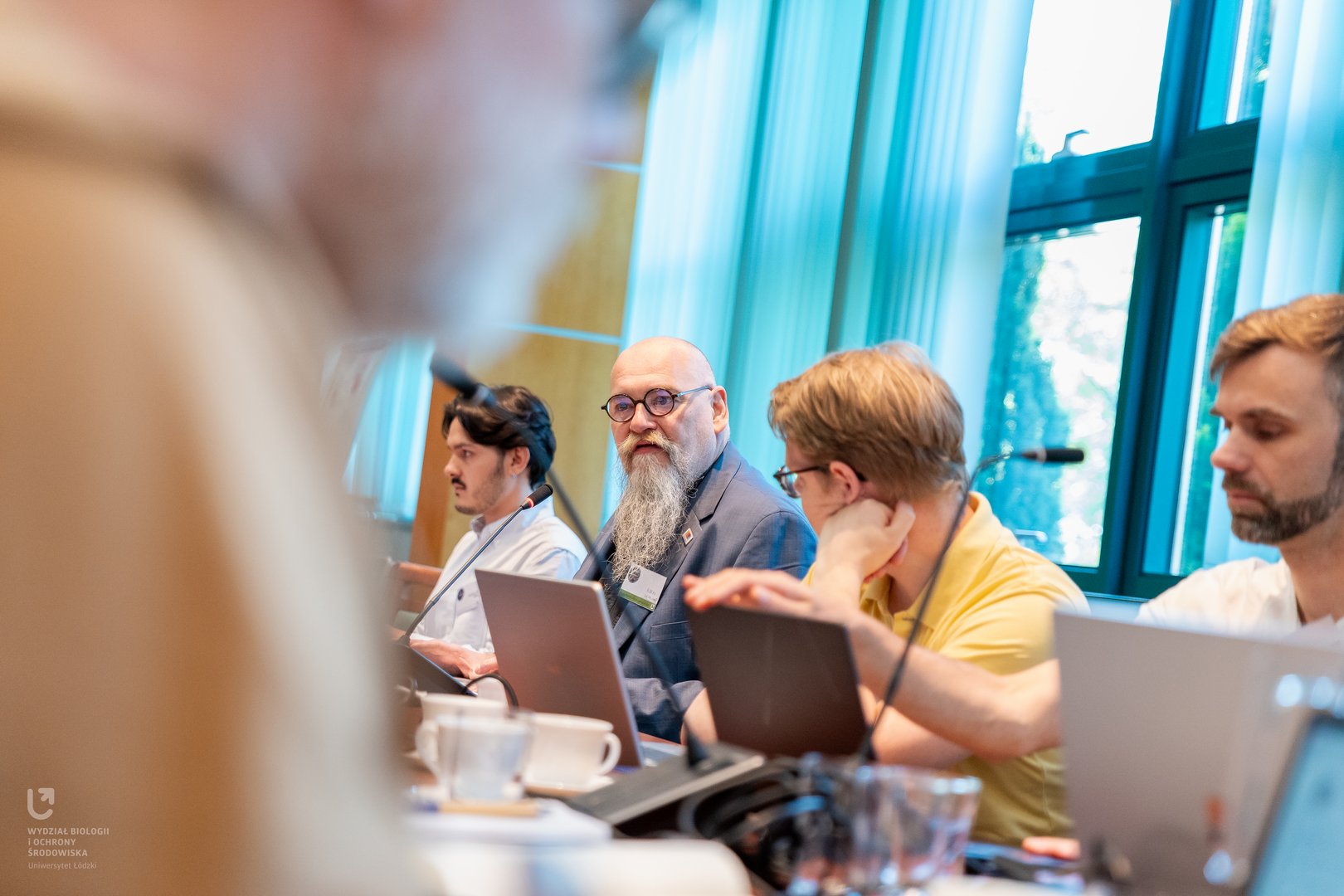
One of the most important questions we are currently trying to answer is whether an observed change in a deep-sea ecosystem is still a part of its natural variability or already evidence of human disturbance. This is far from straightforward, because the ocean floor is not a static environment and responds to processes occurring both locally and thousands of metres higher in the water column. We therefore aim not only to identify the effects of mechanical disturbance to the seabed but also to understand how long such a ‘footprint’ remains recorded in the structure and functioning of the ecosystem
– emphasises Prof. dr hab. Magdalena Błażewicz.
A significant part of the discussions was also devoted to preparations for future research expeditions. Of particular importance is the planned SO322 NoduleMonitor3 expedition aboard the research vessel RV SONNE. Scientists will return to locations where the first industrial-scale test of a polymetallic nodule collector was carried out more than five years ago. Revisiting these sites will make it possible to assess the long-term response of the ecosystem, the rate of its recovery, and any impacts that may accumulate over time.
Dialogue on the Future of Deep-Sea Mining
MiningImpact3 extends beyond biology and oceanography. The project combines ecological, biogeochemical and technological research with analyses of the social, ethical, and regulatory dimensions of deep-sea mining. For this reason, an important element of the Łódź meeting was dialogue with individuals and organisations representing diverse perspectives. Participants included representatives of JPI Oceans, non-governmental organisations, including Greenpeace, as well as Justyna Zajchowska, Adviser at The Pew Charitable Trusts. Artists collaborating with the project on new ways of communicating research on the deep ocean also took part in the discussions.
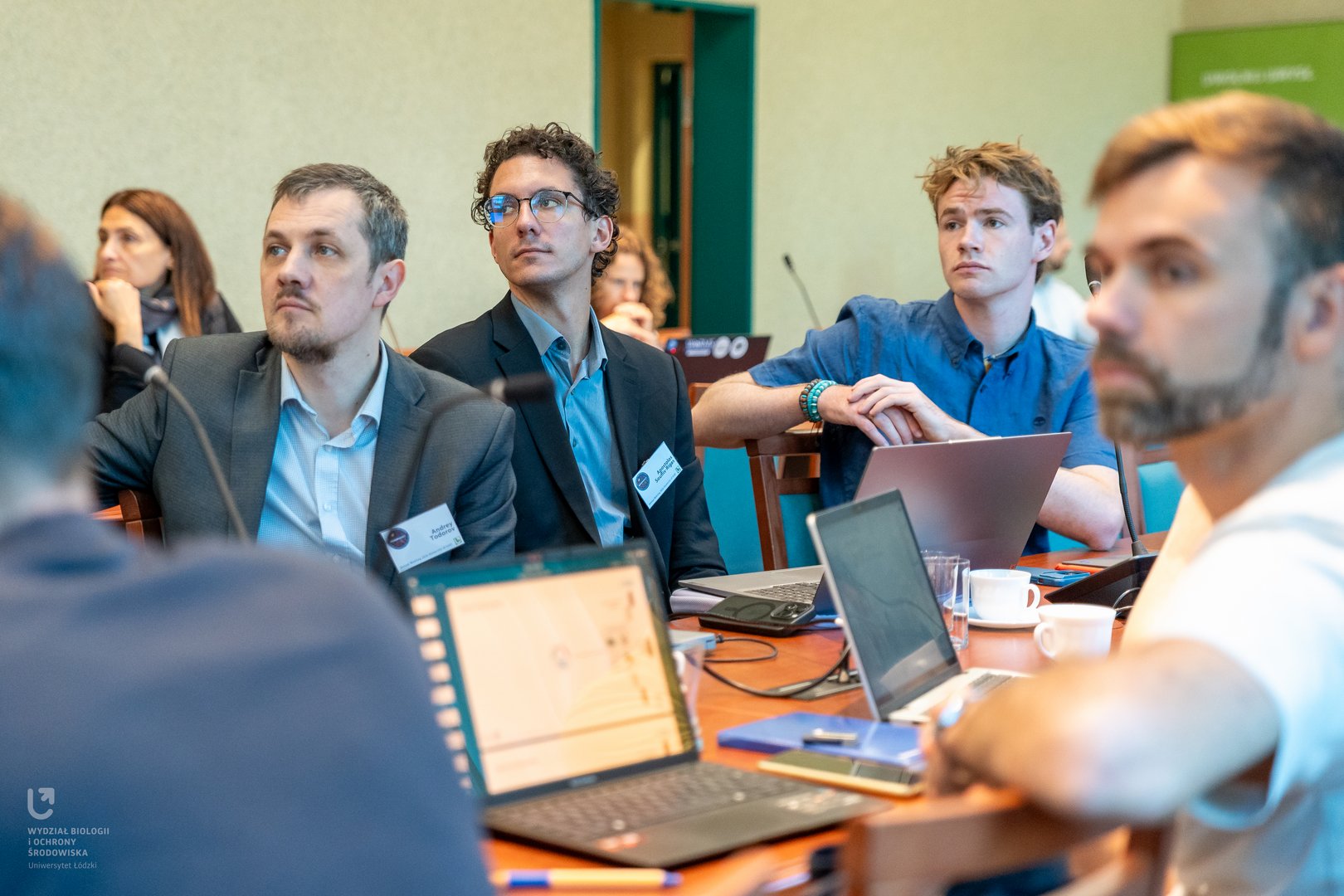
Such broad discussion serves a purpose beyond the communication of research findings. Bringing together the perspectives of scientists, public institutions, civil society organisations, and other stakeholders helps identify not only biological risks, but also the social, technological, ethical, regulatory, and political challenges associated with the potential exploitation of deep-sea mineral resources.
MiningImpact3 is an interdisciplinary project because the consequences of deep-sea mining cannot be understood through the lens of a single discipline. We must combine the expertise of biologists, oceanographers, geochemists, and technology specialists, while also examining the issue from social, ethical, and regulatory perspectives. Only then can we understand not only what may happen in the deep ocean, but also what questions we should ask before making decisions about its future
– adds Prof. dr hab. Magdalena Błażewicz.
The final day of the meeting was devoted to exactly this type of structured dialogue and to identifying the most important research questions that science must answer so that future decisions regarding deep-sea mining can be based on the fullest and most reliable evidence possible.
In this sense, the MiningImpact meeting in Łódź was not only a summary of another stage of research, but also a forum where science met debate on how humanity should make use of one of the least explored environments on our planet.
Source: Prof. dr hab. Magdalena Błażewicz (Department of Invertebrate Zoology and Hydrobiology, Faculty of Biology and Environmental Protection, University of Lodz)
Edit: Kamila Knol-Michałowska (Promotion Centre, Faculty of Biology and Environmental Protection, University of Lodz)
Photos: Mateusz Kowalski (Promotion Centre, Faculty of Biology and Environmental Protection, University of Lodz)