European Infrastructure for Genomic Data
The two universities are separated by nearly 500 kilometres, yet they share numerous research areas based on biological data. Such data, in accordance with GDPR and European requirements, must be stored under specialised conditions. These requirements are met by the repository managed by Biobank Łódź®, which operates within BBMRI-ERIC (Biobanking and Biomolecular Resources Research Infrastructure – European Research Infrastructure Consortium), Europe's leading infrastructure dedicated to biobanking, and within the Genome of Europe consortium, which is developing a European genomic database intended ultimately to include more than one million genomes.
University Cooperation for the Development of Genomics and Digital Medicine
Cooperation between universities and their research centres, such as the Centre for Digital Biology and Biomedical Sciences – Biobank Łódź® and the Pomeranian Medical University (PUM) in Szczecin, is of great importance for the development of Polish science, genomics and digital medicine. Such interregional partnerships are based on the synergy of expertise offered by comprehensive and medical universities. Combining biobank resources from different regions of Poland, such as central and northern Poland, makes it possible to build demographically and genetically diverse databases. This is essential for nationwide and European projects. Cooperation between academic centres in Poland ensures that the national biobanking infrastructure becomes a coherent and integrated element of the European research area, supporting the international exchange of knowledge, data and experience for the advancement of science and medicine
– emphasises Prof. dr hab. Agnieszka Marczak, Dean of the Faculty of Biology and Environmental Protection.
Cooperation with the Pomeranian Medical University is an excellent example of how consistent investment in people, modern infrastructure and high standards of research translates into tangible collaboration between universities. The expertise and solutions developed within Biobank Łódź® now serve not only our University but have also become part of a broader biomedical research ecosystem. Such partnerships make it possible to combine the potential of different scientific centres while strengthening the position of Polish science and its presence within the European research area
– adds dr hab. Tomasz Jurczak, Vice-Dean for Cooperation with the Socio-Economic Environment.
The Highest Standards of Data Security
During the implementation of its scientific projects, the Pomeranian Medical University has accumulated valuable genomic data resources, the generation of which required significant investments of both time and financial resources. Thanks to cooperation with the University of Lodz, these data will gain a new lease of life. Due to their special nature, they require the highest standards of protection and secure sharing. The Polish Node of the European Genome-Phenome Archive, operated by the University of Lodz, enables the storage of such resources and their controlled sharing with researchers from Poland and abroad. As a result of this collaboration, the collected data will be able to support further research and scientific discoveries, bringing benefits to the entire scientific community
– says mgr inż. Błażej Marciniak from the Centre for Digital Biology and Biomedical Sciences – Biobank Łódź®, Faculty of Biology and Environmental Protection, University of Lodz, speaking about the secure storage and sharing of genomic data.
Biobank data, including those collected by Biobank Łódź®, are protected at multiple levels. Above all, they are anonymised and stored in encrypted form. Even in the unlikely event of data theft, they would remain secure. Moreover, for researchers conducting analyses, large study groups are of far greater importance than individual participants.
Genomic Data for Research and New Therapies
The data available through this network may be used by an individual researcher or a research team whose application is approved by the Data Access Committee. However, for such an application to be considered positively, a number of requirements concerning data-processing security and research ethics must first be met.
Importantly, data from the European Genome-Phenome Archive may be used by institutions from across Europe free of charge, provided they meet the relevant requirements. This creates increasing opportunities for medical research, including the development of new medicines.
Read More About Recent Successes of Biobank UniLodz
- Biobank Łódź Joins the European Elite: Over 23,000 Samples in the BBMRI-ERIC Network
- The Generation-A Project Enters a New Stage
- Illumina Microarray at the University of Lodz
- Women in Science: dr inż. Marta Sobalska-Kwapis – Biobank, i.e. A Treasure Trove of Knowledge
Edit: Paweł Śpiechowicz, Rector's Office, University of Lodz
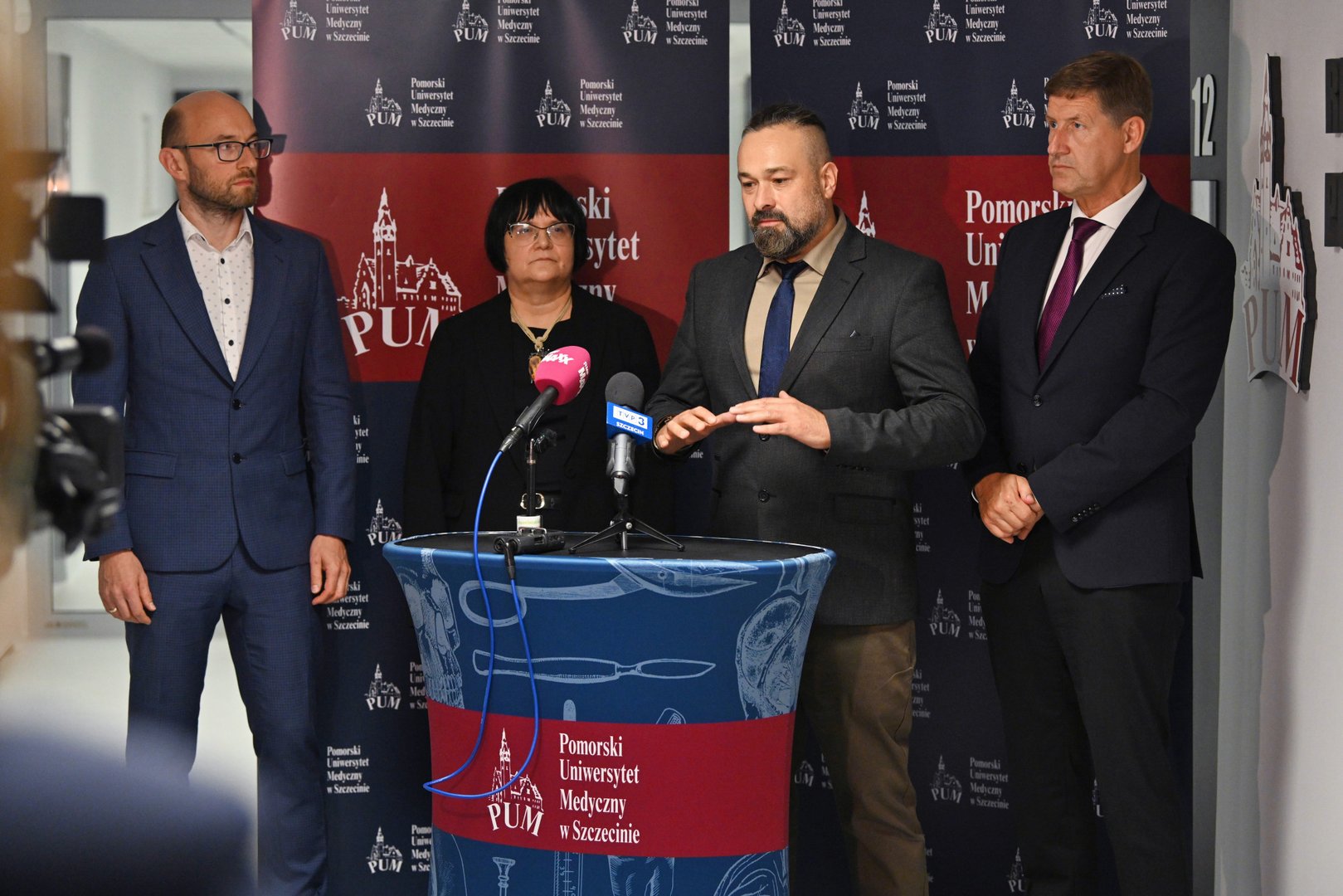
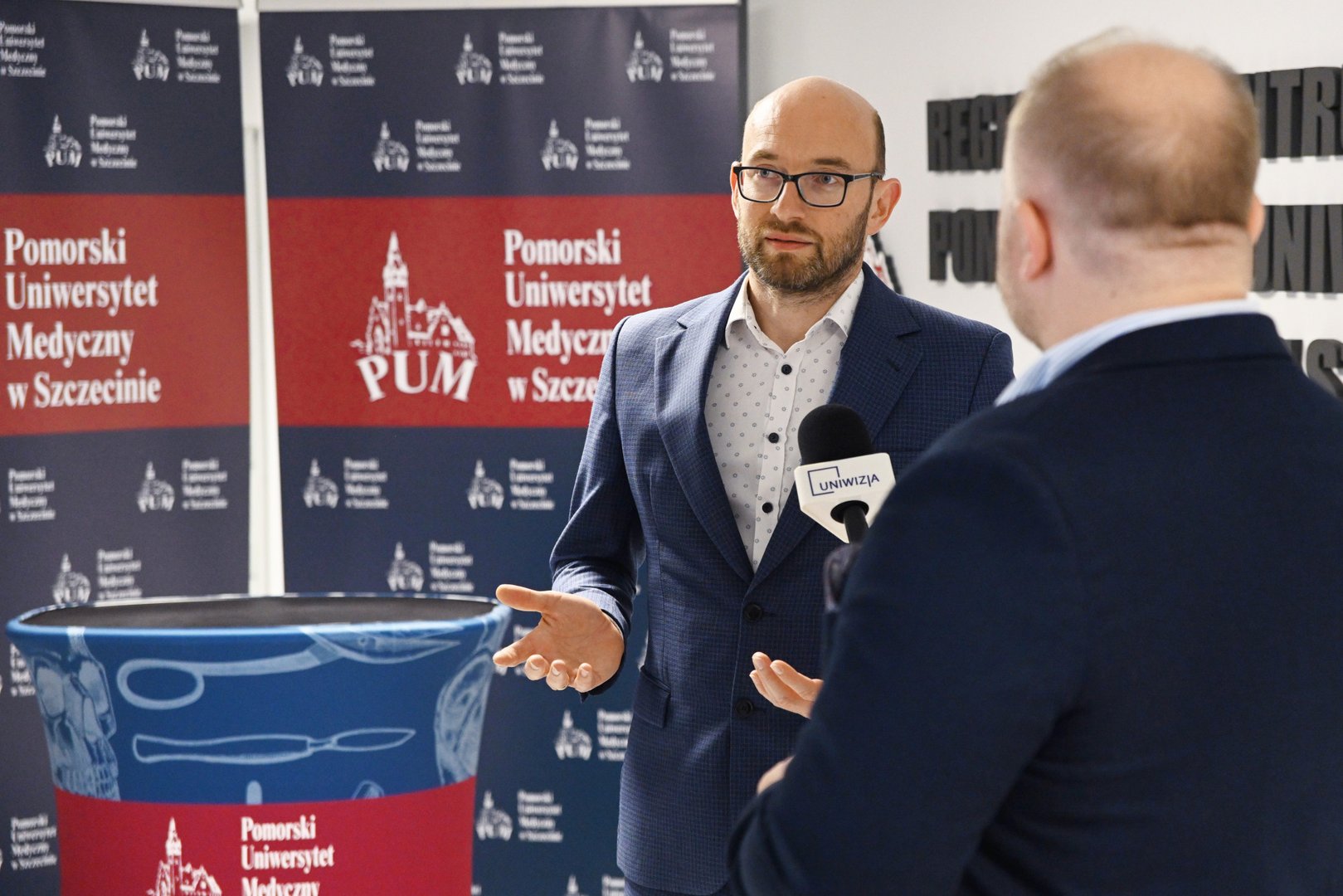
Photos: Pomeranian Medical University in Szczecin, PUM Joins the Polish Node of the European Genome-Phenome Archive, 2 October 2026.